
During consultations,
many people express concerns about their face shape and jawline.
It is not something that can be fully explained
by simply saying, “I gained weight.”
Even if your weight has not increased, a collapsed jawline
or a rounder-looking face can still appear.
This is when many people start to consider double chin surgery.
Today, we will closely examine
the causes of a double chin and the treatment process.
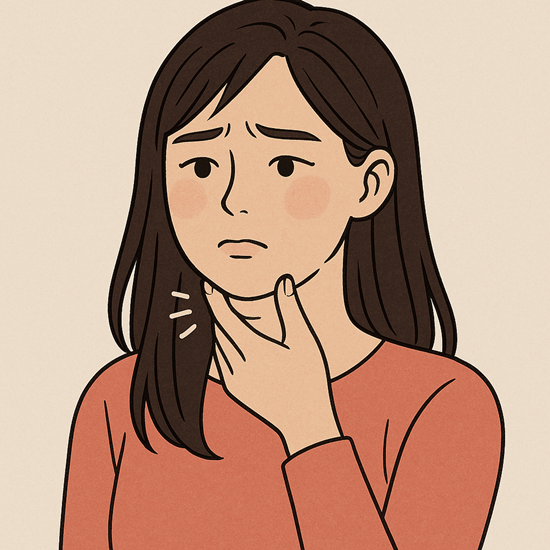
"Small Changes That Ruin the Facial Line"
A double chin refers to the condition
in which the skin and fat under the chin overlap or sag.
This happens due to a combination of factors
such as weight gain, loss of skin elasticity,
weakened muscles, redistribution of facial fat,
and posture-related issues.
Collagen production decreases as you enter your 30s,
and this reduces the skin’s ability to stay firm.
As a result, the area under the chin begins to sag more easily.
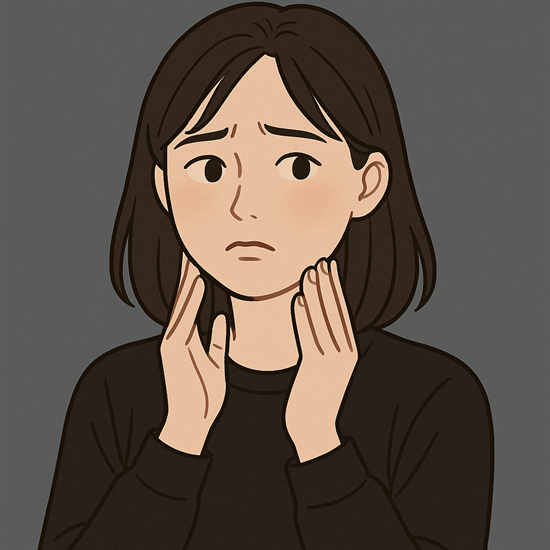
"Identifying the Causes"
Double chin formation is influenced
by both lifestyle habits and aging.
The main causes include:
- Decreased elasticity due to aging
- Weight gain and fat accumulation
- Postural imbalance
- Redistribution of facial fat
- Poor lymphatic circulation and swelling
Because a double chin is caused by multiple factors,
some people may need a procedure or surgery to correct it.
It is important to identify the root cause for each individual
and perform a customized treatment.
This is the only way to achieve effective and lasting removal.
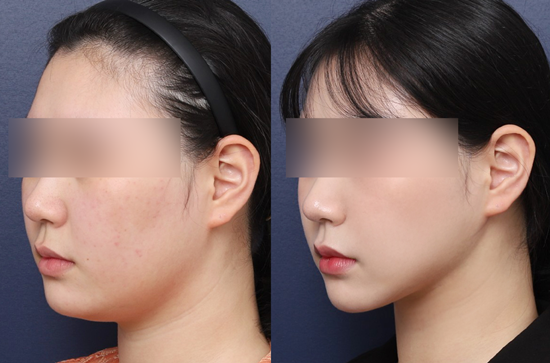
"Effects of Double Chin Surgery Near Sinsa Station"
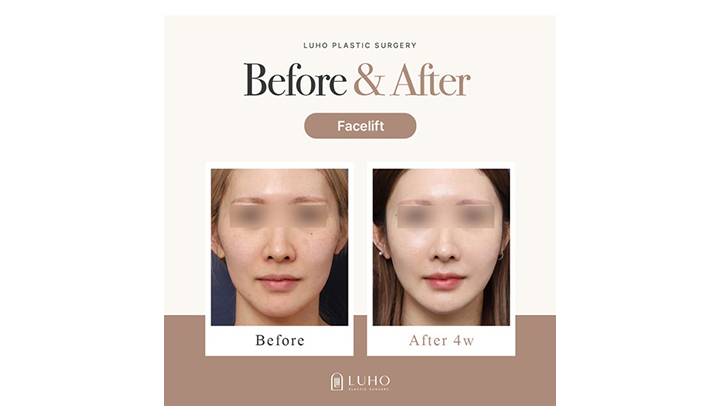
At Luho Plastic Surgery Clinic, double chin surgery
creates a refined and harmonious facial contour.
The procedure is recommended when the jawline looks
blurred and does not clearly separate from the neck.
A specialist who understands facial structure and fat anatomy performs
detailed anatomical analysis to identify the cause
and designs the treatment plan
after considering the overall facial proportions.