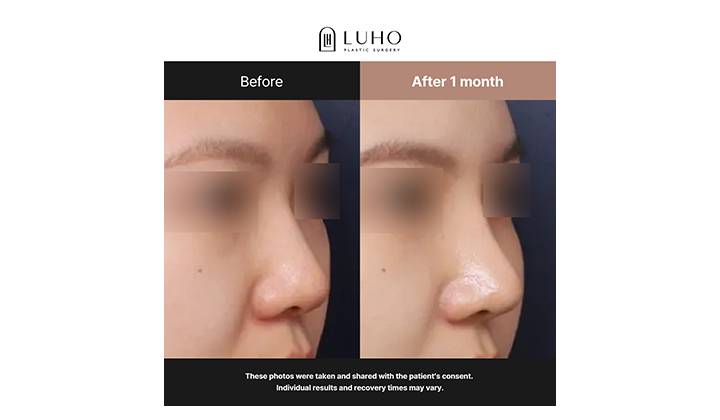
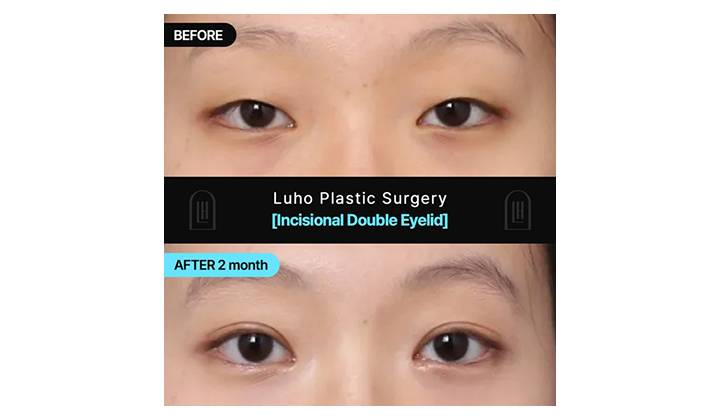
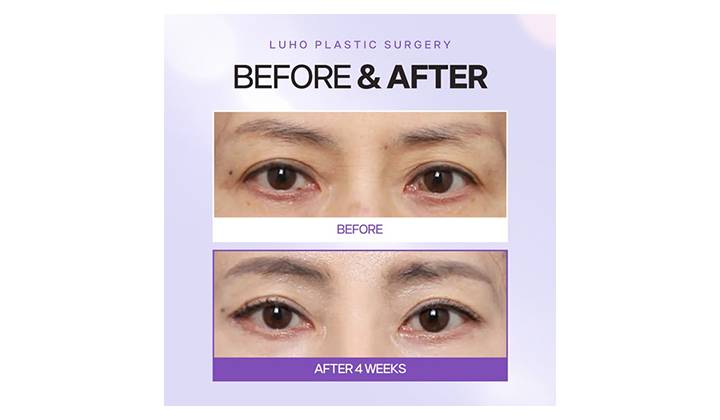
After your first nose surgery,
you may find yourself debating revision as time passes—
due to changes in the nasal line or asymmetry.
“Do I really need to touch my nose again?”
“I need just as much courage as the first time.”
Revision rhinoplasty requires an even more cautious approach.
Since an incision or implant has already been placed,
the condition of the tissue, skin thickness,
and degree of internal adhesion must be evaluated in detail.
Patients often worry:
Will another surgery leave scars?
Will the nasal tip become stiff?
These concerns come up frequently.
Today, based on key points commonly mentioned
in real revision rhinoplasty reviews,
we’ve compiled the essential factors to check.

“When is it necessary?”
The main reasons for needing revision rhinoplasty
can generally be categorized as follows:
1) Asymmetry in shape
- one side pressed down or lifted
2) Implant displacement or inflammation
- crooked nose, prolonged swelling
3) Unsatisfactory aesthetic result
- low nasal tip, artificial-looking bridge
4) Breathing discomfort - septal damage or
airway narrowing causing difficulty breathing
These issues go beyond aesthetics
and can affect nasal function as well.
Therefore, we recommend a thorough evaluation
to determine whether revision is needed.
“KEY POINTS of Revision Surgery”
Revision requires a significantly more delicate approach
than the first surgery—especially
because tissues may be adhered or cartilage may have weakened.
Before surgery,
CT imaging is essential to assess skin thickness,
remaining cartilage, and implant positioning in detail.
The surgical method and difficulty will also depend on
how much septal cartilage was removed previously
and how far the incision extended.
Rather than choosing a clinic solely based on revision reviews,
you’ll be more satisfied by undergoing surgery with a treatment plan
tailored to the specific cause of your concerns.
What matters most are:
the surgeon’s expertise,
a precise surgical plan,
and a structured aftercare system.
Revision rhinoplasty—correcting a previous outcome—
can be the beginning of restoring your confidence.